

Filter
Maintain proper calcium hardness levels in your pool or spa with specialized calcium increasers. Low hardness can lead to corrosive water that damages surfaces, heaters, and plumbing—especially in plaster or concrete pools. Using a calcium hardness adjuster ensures your water has enough dissolved calcium to protect your system and maintain a comfortable swimming experience.
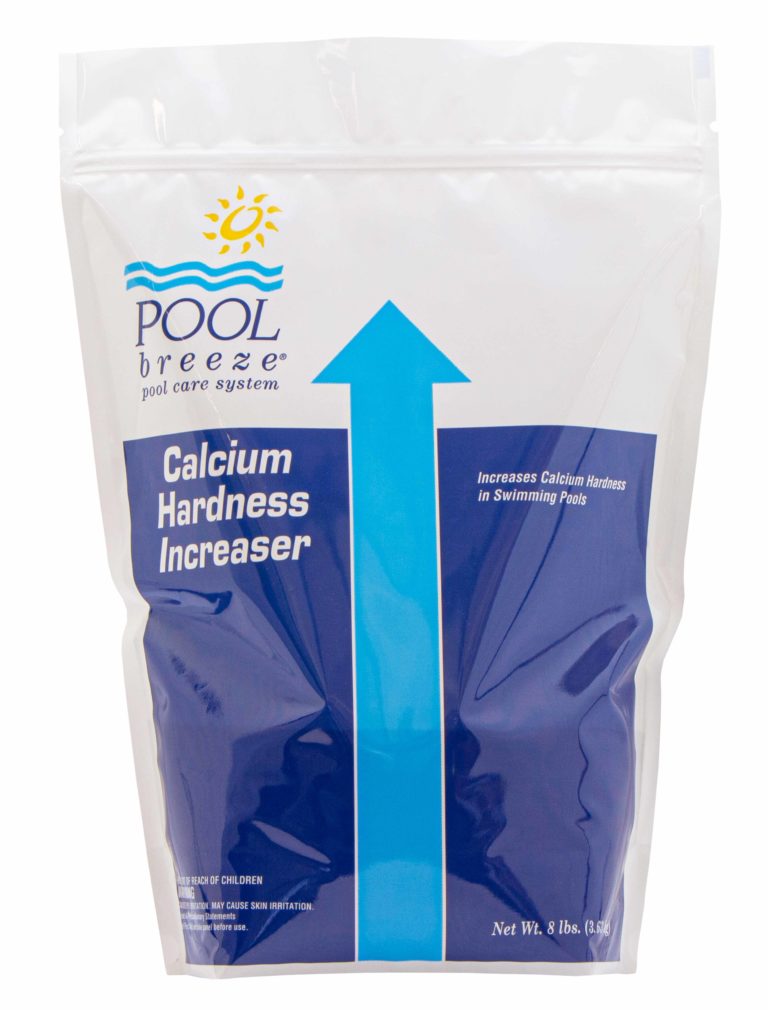
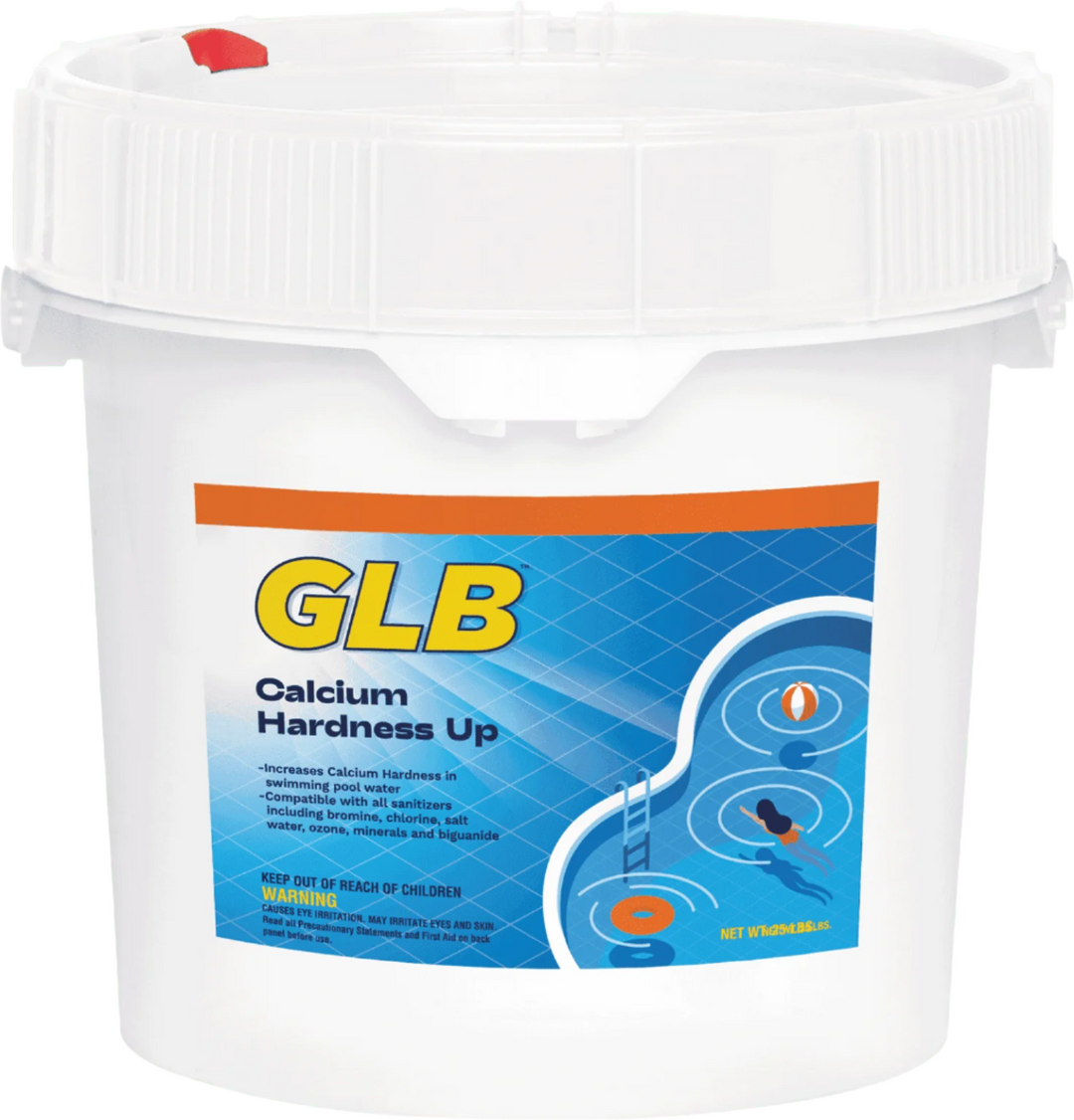
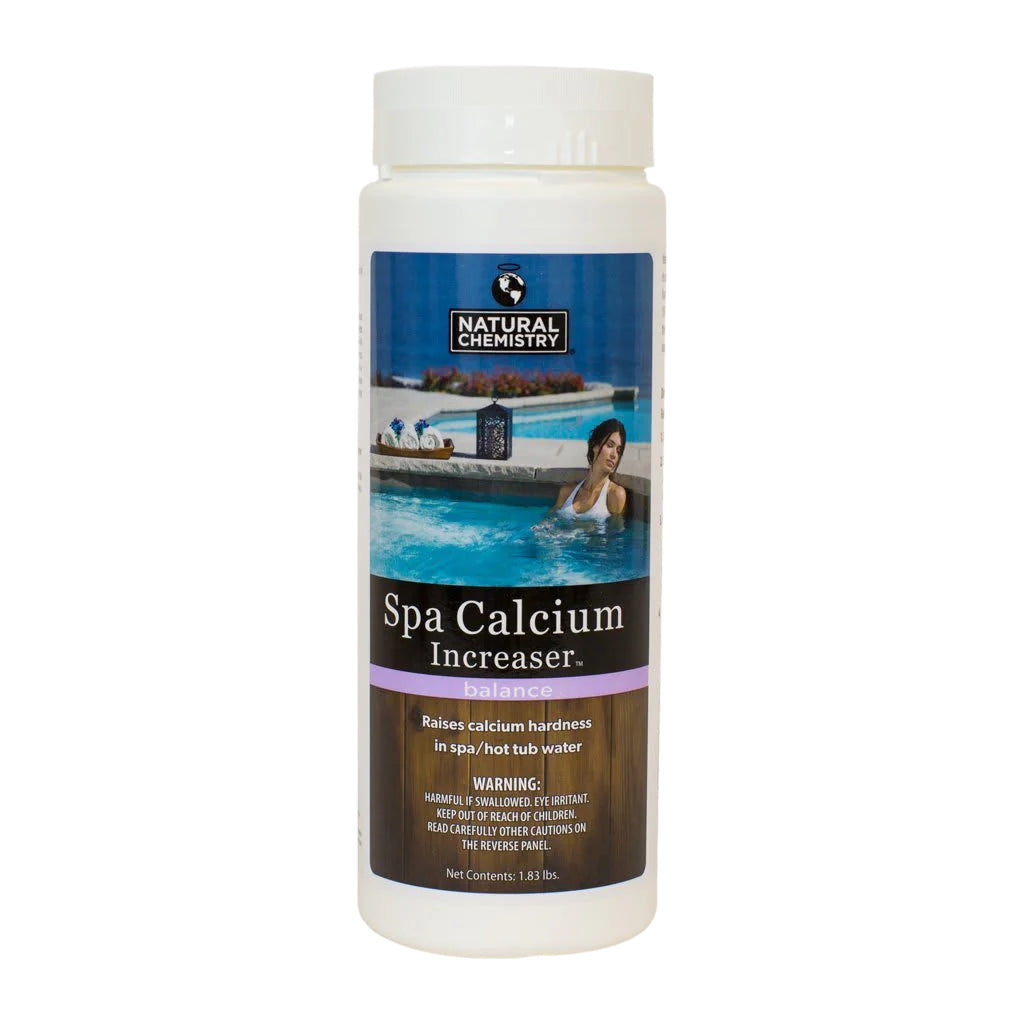
More about Calcium Hardness Adjusters for Pool & Spa
Buyer's Guide: Calcium Hardness Adjusters for Pool & Spa
Tier 1: The "Aggressive Water" Fix (Low Calcium)
- Best For: Plaster or pebble-tec pools with rough spots, or homeowners with very soft city water.
- Look For: [Calcium Chloride] (often labeled as Hardness Plus or Calcium Up).
- Expectations: Fast-acting granules that raise levels immediately. Essential for preventing permanent etching of your pool's finish.
Tier 2: The "White Crust" Prevention (High Calcium)
- Best For: Homeowners in "Hard Water" regions (like the Southwest) or those using Salt Chlorine Generators.
- Look For: [Scale Inhibitor] or [Sequestering Agent].
- Expectations: This won't lower the ppm number on your test kit, but it prevents the calcium from turning into hard "scale" on your tile and salt cells.
Tier 3: The "Total Reset" (Extreme Hardness)
- Best For: Pools where calcium exceeds 600+ ppm and the water is chronically cloudy.
- Look For: [Pre-Filter Hose Attachment].
- Expectations: If you have to drain and refill, use a filter on your garden hose to stop minerals from entering the pool before they even get to the water.
Complete Your Pool Care Routine
Essential Pairing
Pool Water Balancers for Proper Chemical Balance
Shop Pool Water Balancers for Proper Chemical Balance
You must stabilize your pH and Alkalinity before adjusting calcium to prevent the water from turning cloudy or "snowing" white flakes.
Highly Recommended
Pool Test Kits and Water Analysis Tools
Shop Pool Test Kits and Water Analysis Tools
Since high calcium is difficult to remove, using a high-quality drop test is the only way to ensure you don't over-calculate your dose.
Pro Tip: Don't Forget
Pool and Spa Scale and Stain Removal Products
Shop Pool and Spa Scale and Stain Removal Products
If you already have white, crusty buildup on your tile line, a dedicated scale remover is needed to dissolve the deposits that "Hardness Adjusters" can only prevent.
Technician's Guide: Calcium Hardness Adjusters for Pool & Spa +
Protect Your Pool's "Skeleton" and Finish.
Calcium Hardness is often the most overlooked part of pool chemistry, but it is critical for the long-term health of your backyard investment. Think of your pool water like a sponge; if it doesn't have enough calcium "soaked" into it, it will literally starve for minerals and start eating your pool to find them.
How it Works
- Calcium Increasers (Calcium Chloride) raise the mineral content of the water. When you add these granules, they provide the "saturation" the water needs so it stops leaching minerals from your pool’s surfaces.
- Calcium Management: Unlike pH, calcium doesn't evaporate. It only leaves when you splash water out or drain the pool. If your levels are too high, the only way to lower them effectively is through dilution (draining and refilling) or using specialized Sequestering Agents to keep the calcium from sticking to your tile.
Why a Homeowner Needs It
If your calcium is too low (Soft Water), the water becomes corrosive, pitting your plaster, dissolving your tile grout, and ruining metal heater components. If it's too high (Hard Water), you’ll see "Scale"—ugly, white, crusty deposits on your salt cells and waterline. Keeping your levels between 200–400 ppm (parts per million) ensures your pool stays smooth and your equipment lasts for decades.
Common Questions +
Q: Can I just use a "Calcium Reducer" chemical to lower my levels?
A: Beware of marketing: true "calcium reducers" are rare. Most products sold for high calcium are "Sequestering Agents" or "Scale Inhibitors." They don't remove the calcium; they just "lock it up" so it can’t form stains. The only way to truly lower high calcium is to drain some water and refill with fresh water.
Q: Why does the bucket get hot when I mix Calcium Increaser?
A: Calcium Chloride creates an "exothermic reaction," meaning it releases heat when it hits water. This is normal but requires caution. Pro Tip: Never add water to the chemical; always add the chemical slowly into a large bucket of water, or broadcast it directly into the deep end if your pool finish allows.
Q: My water is cloudy after adding a hardness increaser. What happened?
A: This usually happens if your pH or Alkalinity is too high. High calcium and high pH together create "calcium fallout," which turns the water milky. Always balance your pH and Alkalinity before adding calcium.
Q: How often should I test for Calcium Hardness?
A: Since calcium levels are relatively stable, you only need to test once a month or after heavy rain/refilling. It doesn't "bounce" daily like chlorine or pH.
Q: Is "Total Hardness" the same as "Calcium Hardness"?
A: Not exactly. Total Hardness measures both calcium and magnesium. Most pool test kits and strips measure Total Hardness, but your pool’s surfaces specifically care about the Calcium portion.