
Filter
Protect your sanitizer investment with trusted water stabilizers and conditioners for pools and spas. Products like cyanuric acid (CYA) and chlorine conditioners help shield free chlorine from being broken down by the sun’s UV rays—especially critical in outdoor pools and hot tubs.
4 products
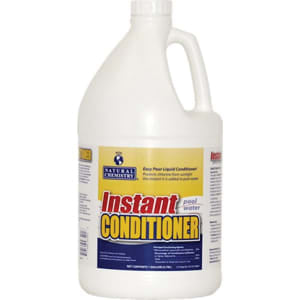
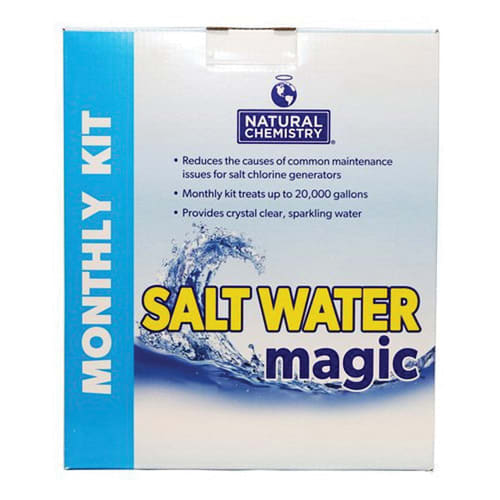
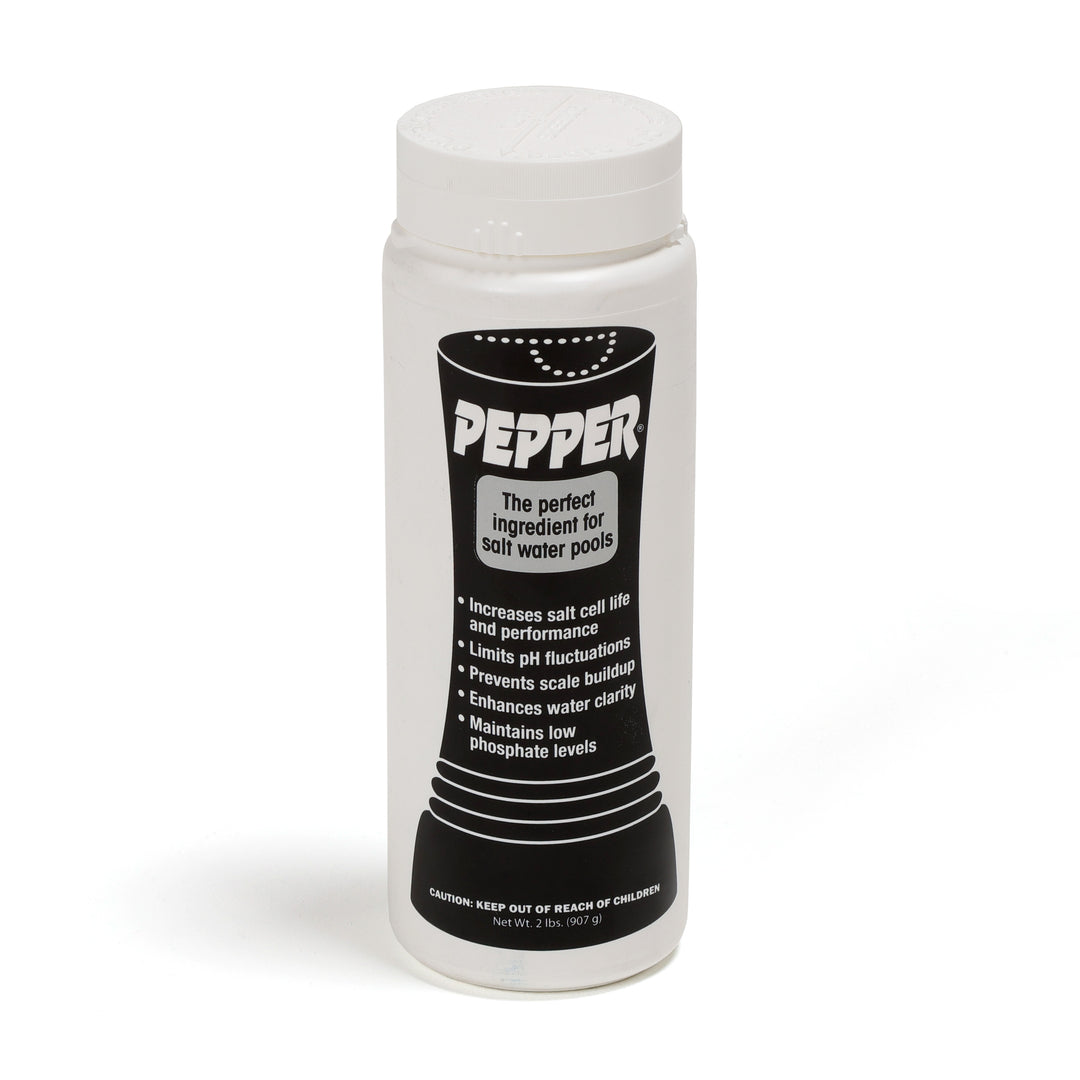
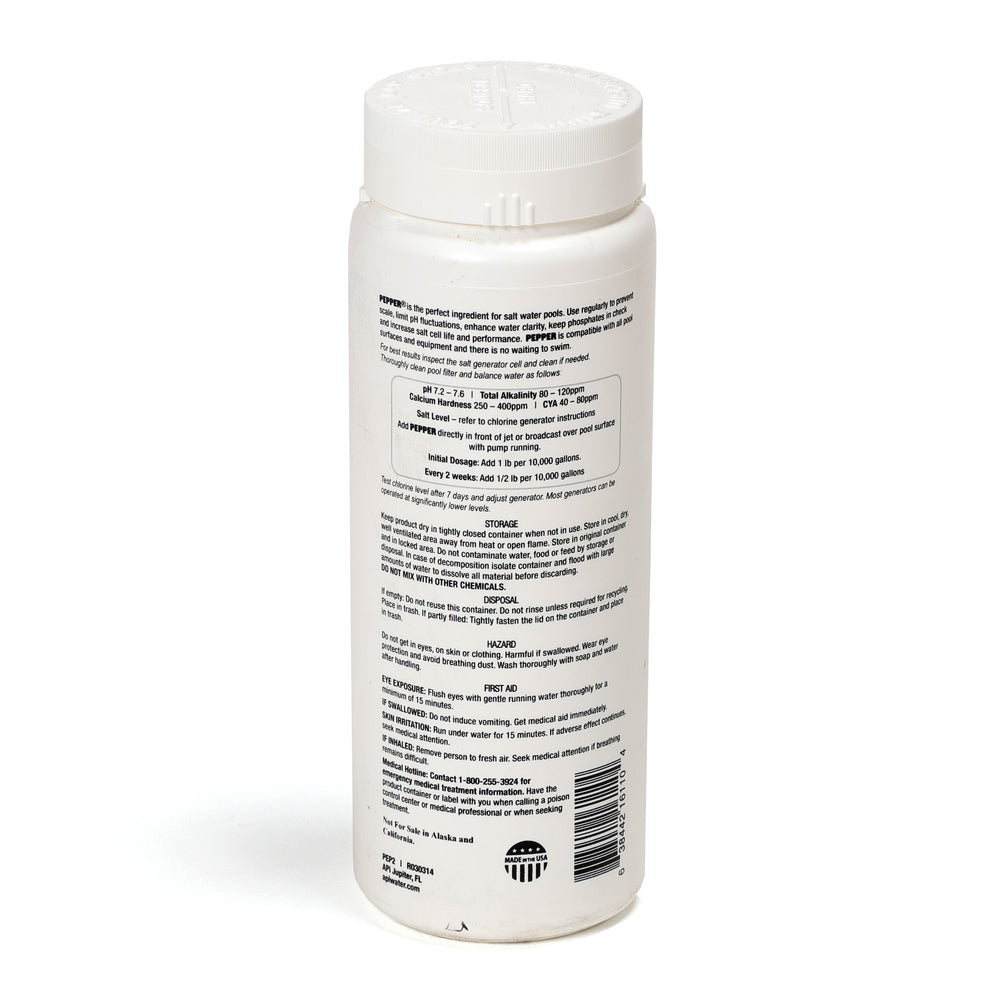

More about Water Stabilizers & Conditioners for Pool and Spa
Buyer's Guide: Water Stabilizers & Conditioners for Pool and Spa
Tier 1: The Essential "Sunblock" (Standard Outdoor Pools)
- Best For: All outdoor chlorine pools starting up for the season or refilling after a drain.
- Look For: [Cyanuric Acid] (Dry Granular or Liquid).
- Expectations: The dry version is cheaper but takes days to dissolve; the liquid version is "instant" but significantly more expensive.
Tier 2: The Salt System Booster (Salt Water Pools)
- Best For: Homeowners with salt chlorine generators who want to prevent "cell scale" and improve water feel.
- Look For: [Salt Cell Protectant] (e.g., "Pepper" or "Salt Water Magic").
- Expectations: These multi-tasking blends protect the expensive salt cell from mineral buildup while also providing UV protection and phosphate control.
Tier 3: The "Soft Water" Luxury (High-End Spas & Pools)
- Best For: Users who want "silky" water and stable pH without the harsh chemical smell.
- Look For: [Borate-Based Conditioners].
- Expectations: Borates act as a secondary pH buffer and give the water a sparkling, reflective quality while making it feel softer on the skin.
Complete Your Pool Care Routine
Essential Pairing
Sanitizers for Pool and Spa Water Care
Shop Sanitizers for Pool and Spa Water Care
Stabilizer's only job is to protect your chlorine, so ensure you have a fresh supply of your preferred primary sanitizer.
Highly Recommended
Pool Test Kits and Water Analysis Tools
Shop Pool Test Kits and Water Analysis Tools
Since over-stabilization leads to "chlorine lock," you must use a kit that accurately measures CYA levels before adding more.
Pro Tip: Don't Forget
Pool Clarifiers for Water Clarity
Shop Pool Clarifiers for Water Clarity
Adding stabilizer can sometimes cause temporary cloudiness; a companion clarifier helps keep the water crystal clear during the balancing process.
Technician's Guide: Water Stabilizers & Conditioners for Pool and Spa +
Apply "Sunscreen" to Your Chlorine.
Without a stabilizer, the sun is your pool’s greatest enemy. On a bright afternoon, UV rays can destroy 90% of your pool's chlorine in just two hours, leaving your water unprotected against algae and bacteria. Water Stabilizers (specifically Cyanuric Acid) act as a chemical shield, "locking" the chlorine into the water so it can do its job all day long.
How it Works
- Chlorine Stabilizers (CYA): These act as a UV buffer. Once added, they form a weak bond with your chlorine, preventing the sun from burning it off.
- Water Conditioners (Salt/Specialty): Products like "Pepper" or "Salt Water Magic" are designed specifically for salt pools. They aren't just stabilizers; they often include Scale Inhibitors and Enzymes that keep your salt cell clean and make the water feel "silky" on your skin.
Why a Homeowner Needs It
Adding a stabilizer is the single best way to cut your chemical bill in half. For DIYers, it provides a "margin of error"—if you forget to add chlorine for a day, the stabilizer ensures there is still a reserve left in the water. However, more is not better. If levels get too high, you hit "Chlorine Lock," where the chlorine is so tightly bound it can’t actually kill anything.
Common Questions +
Q: Is "Stabilizer" the same thing as "Conditioner"?
A: In the pool world, yes. Both terms usually refer to Cyanuric Acid (CYA). However, in salt-specific products, "Conditioner" may also imply water-softening minerals that improve the "feel" of the water.
Q: Why does my test kit show my stabilizer is "High" even if I didn't add any?
A: If you use "Stabilized" chlorine pucks (Trichlor) or bags of shock (Dichlor), you are adding stabilizer every single week. Over time, this builds up and can only be lowered by draining and refilling a portion of your pool.
Q: Can I use stabilizer in an indoor pool or spa?
A: No. Stabilizer is designed to fight UV rays. Since indoor pools aren't exposed to direct sunlight, adding CYA actually makes your chlorine less effective for no benefit.
Q: How do I add granular stabilizer without it sitting on the bottom?
A: Granular CYA is notoriously slow to dissolve. The "Sock Method" is best: put the granules in an old tube sock and hang it in front of a return jet, or place it in the skimmer basket (only if the pump runs 24/7) and let it dissolve over 48 hours.
Q: Do salt water pools need more stabilizer than regular pools?
A: Usually, yes. Most experts recommend 50–80 ppm for salt pools (compared to 30–50 ppm for traditional pools) to help the salt cell work less and last longer.