
Filter
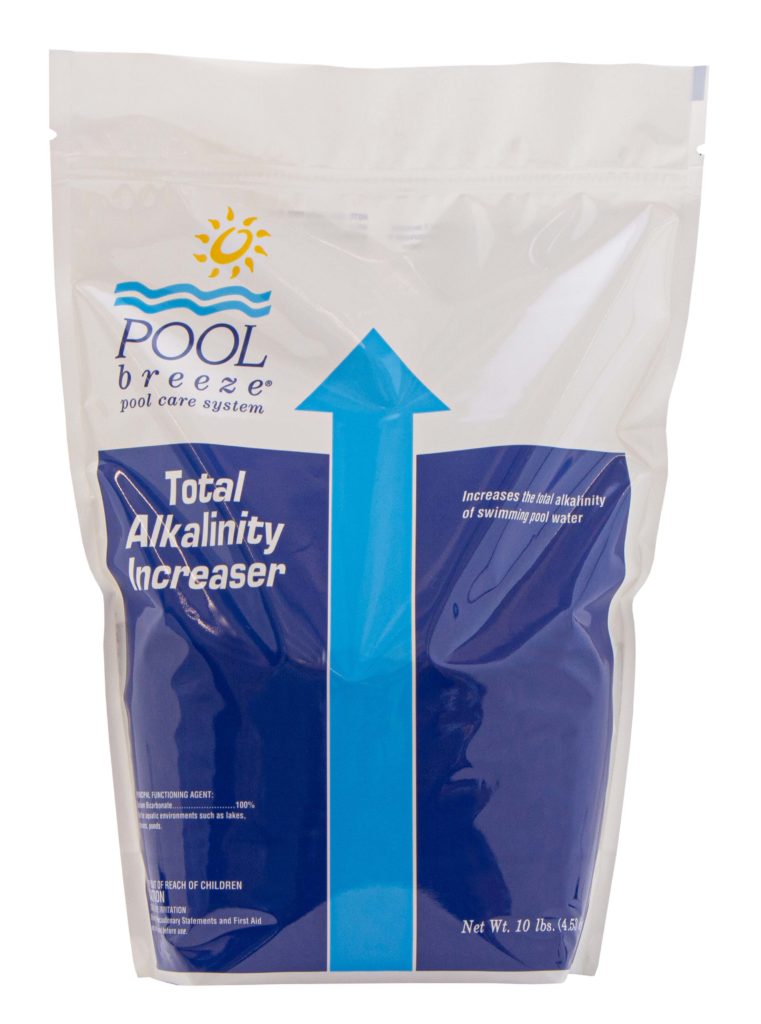
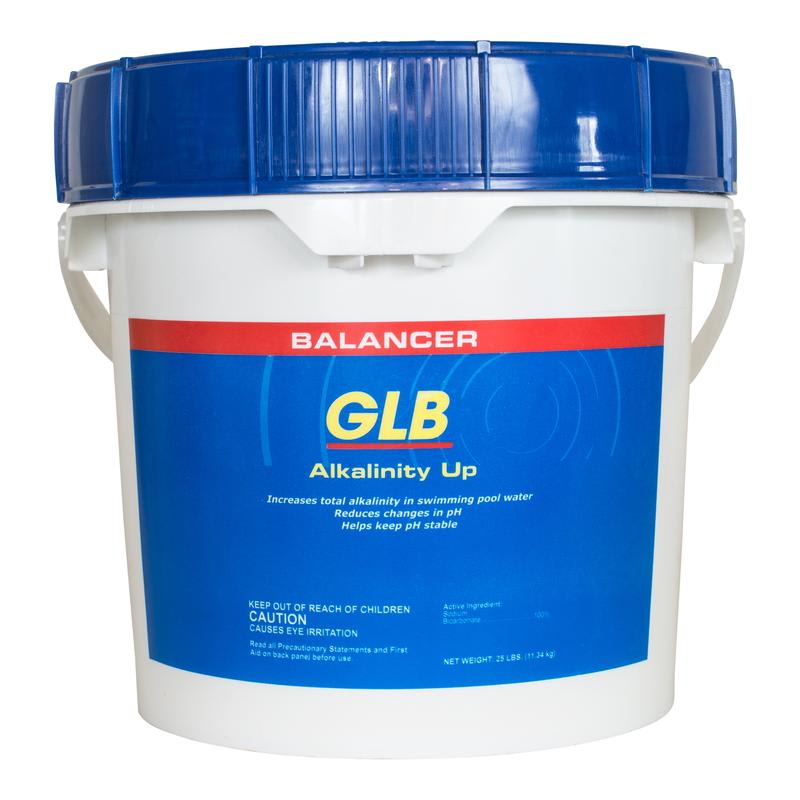
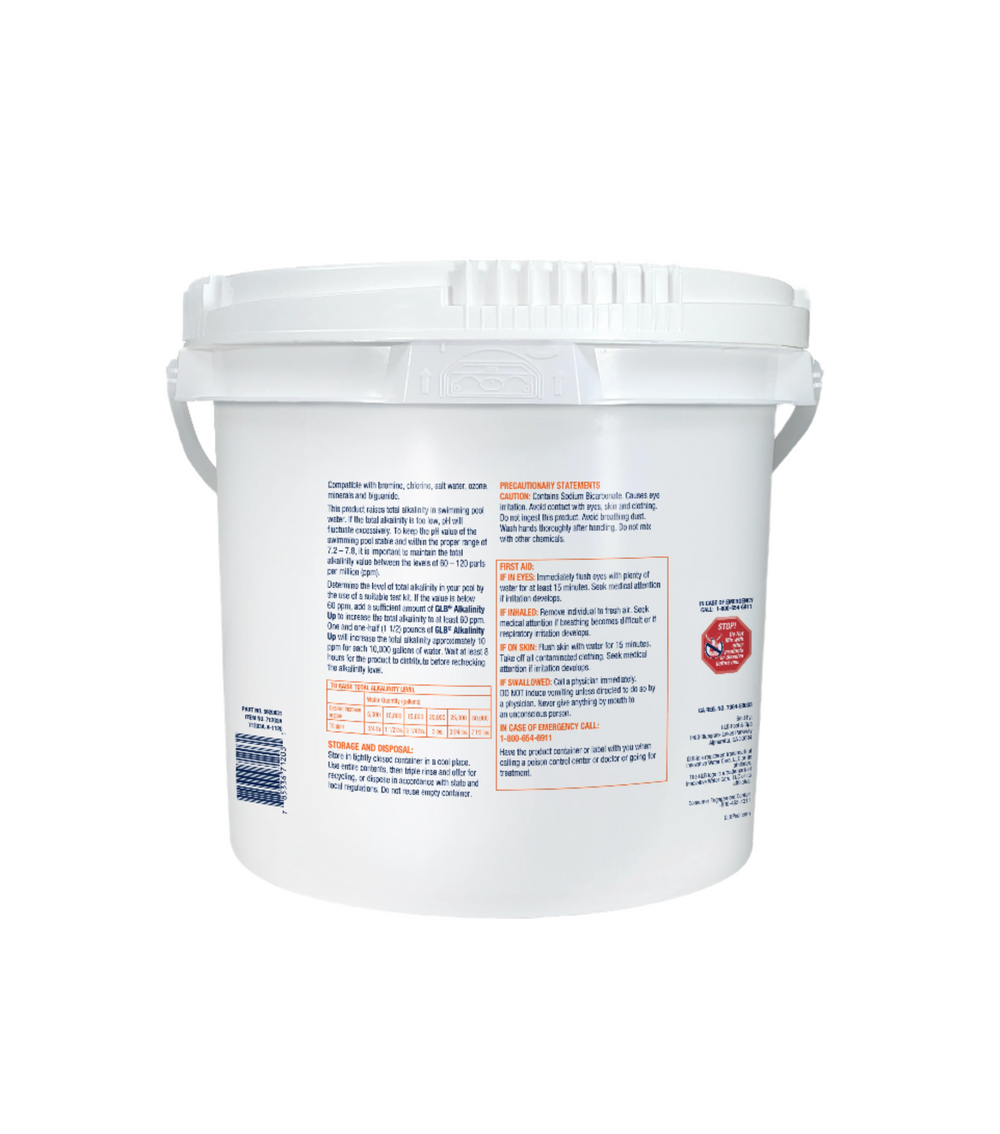
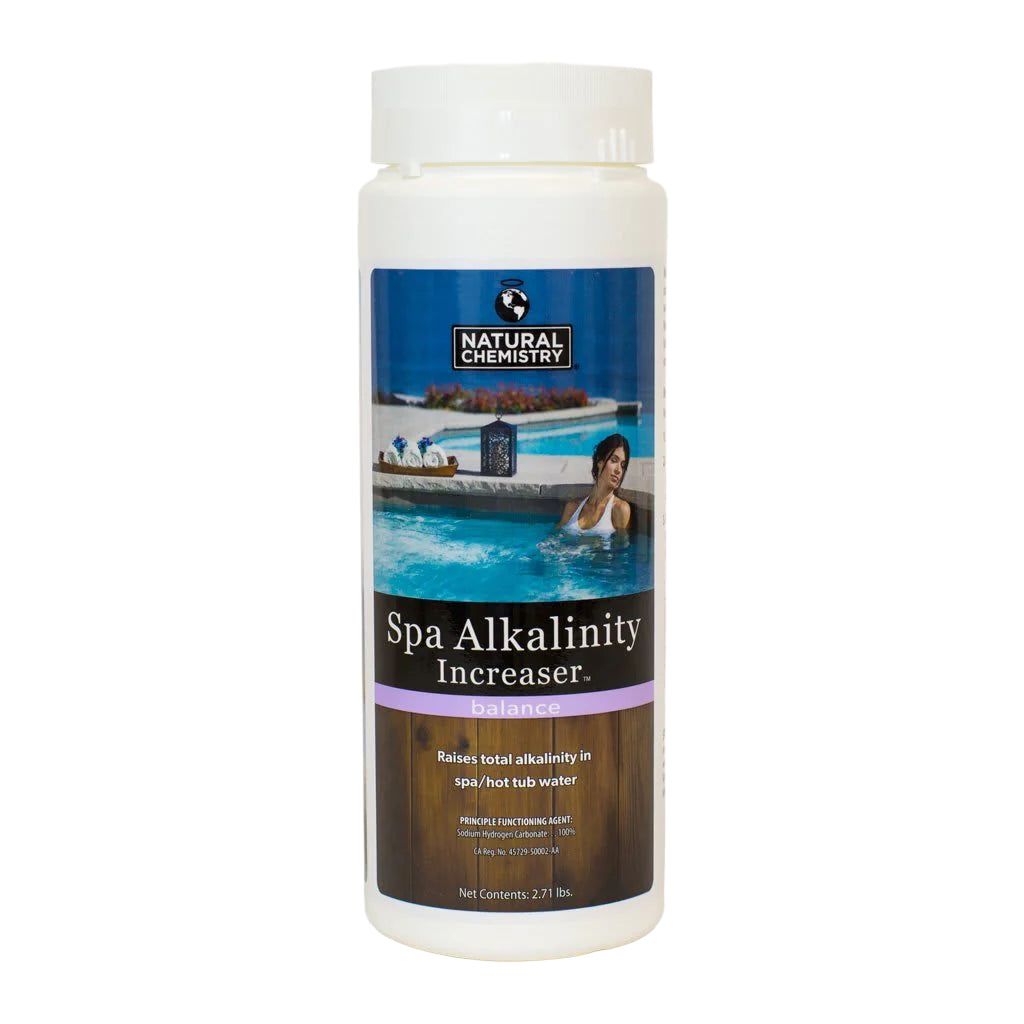
Protect your pool or spa from pH instability and equipment damage with trusted alkalinity adjusters. These products—commonly referred to as alkalinity increasers or TA boosters—raise total alkalinity levels to prevent pH bounce, corrosive water, and scaling.
4 products

More about Water Alkalinity Adjusters For A Balanced Pool & Spa
Buyer's Guide: Water Alkalinity Adjusters For A Balanced Pool & Spa
Tier 1: Low Alkalinity (Under 80 ppm)
- Best For: Pools with "pH Bounce," stinging eyes, or visible pitting/etching on plaster surfaces.
- Look For: [Sodium Bicarbonate] (Alkalinity Increaser).
- Expectations: Safest chemical to handle; raises TA significantly with only a minor impact on pH.
Tier 2: High Alkalinity (Over 120-150 ppm)
- Best For: Pools with stubborn high pH, cloudy water, or "scaling" (white crusty buildup) on tile and equipment.
- Look For: [Sodium Bisulfate] (Dry Acid) or [Muriatic Acid] (Liquid Acid).
- Expectations: These will lower both TA and pH. Liquid acid is faster acting but requires careful handling and storage.
Tier 3: Precision Maintenance
- Best For: Routine weekly "top-offs" or users with Salt Water Generators that naturally drive pH and TA upward.
- Look For: [pH Reducer] (Dry Acid).
- Expectations: Easier to store than liquid acid; perfect for small, incremental adjustments to keep the "buffer" in the sweet spot.
Complete Your Pool Care Routine
Essential Pairing
Pool Test Kits and Water Analysis Tools
Shop Pool Test Kits and Water Analysis Tools
Accurately measuring your current levels is the only way to avoid "chemical leapfrog" and over-treating your water.
Highly Recommended
pH Adjusters For A Balanced Pool & Spa
Shop pH Adjusters For A Balanced Pool & Spa
Once your Alkalinity is set, you may need a dedicated pH Increaser or Decreaser to fine-tune your water to the ideal 7.4–7.6 range.
Pro Tip: Don't Forget
Sanitizers for Pool and Spa Water Care
Shop Sanitizers for Pool and Spa Water Care
Balanced Alkalinity acts as the foundation that allows your chlorine to kill algae and bacteria effectively.
Technician's Guide: Water Alkalinity Adjusters For A Balanced Pool & Spa +
Stop the "pH Bounce" and Protect Your Pool.
Think of Alkalinity as the anchor for your water chemistry. While pH tells you how acidic your water is, Alkalinity is the "buffer" that prevents your pH from swinging wildly every time it rains or someone jumps in the pool. If your pH is constantly jumping up and down (known as pH Bounce), your Alkalinity is likely the culprit.
How it Works
Alkalinity adjusters come in two forms: Increasers and Decreasers.
- Alkalinity Increasers (typically Sodium Bicarbonate) add "cushion" to the water, allowing it to absorb acid without crashing your pH.
- Alkalinity Decreasers (typically Muriatic Acid or Dry Acid) neutralize excess alkaline substances to bring the water back into the safe zone.
Why You Need It
Maintaining a Total Alkalinity between 80–120 ppm is essential for DIY homeowners. Without it, your water becomes "aggressive," leading to etched plaster, corroded heaters, and itchy skin for swimmers. Furthermore, when Alkalinity is balanced, your Sanitizers (like Chlorine) work much more efficiently, saving you money on expensive chemicals.
Common Questions +
Q: Can I just use regular Baking Soda from the grocery store?
A: Yes. Pure Sodium Bicarbonate is the same ingredient found in commercial Alkalinity Increasers. However, pool-grade products are often packaged in larger, more cost-effective quantities and have specific dosing instructions for high-volume pool water.
Q: Should I adjust pH or Alkalinity first?
A: Always adjust Alkalinity first. Because Alkalinity is the buffer for pH, trying to fix your pH while your Alkalinity is off is like trying to paint a house while it’s shaking. Once Alkalinity is stable, your pH will usually settle into place or be much easier to move.
Q: Why does my Alkalinity keep dropping?
A: Heavy rain is a common cause, as rainwater is naturally acidic. Additionally, using "Trichlor" chlorine pucks over time will slowly lower your Alkalinity because they are highly acidic.
Q: Will adding Alkalinity Increaser cloud my water?
A: It can temporarily cause a "cloudy" appearance if added too quickly or if the water is already high in calcium. Always broadcast the powder across the surface or pre-dissolve it in a bucket of pool water to prevent this.
Q: How long should I wait to swim after adjusting?
A: You should generally wait at least 4 to 6 hours with the pump running to ensure the chemicals have fully circulated and the water is balanced.