

Problem Solver Chemicals For Your Pool and Spa


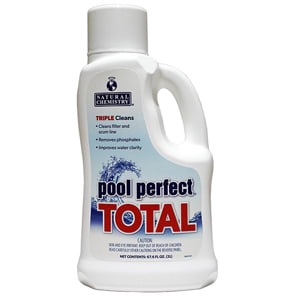
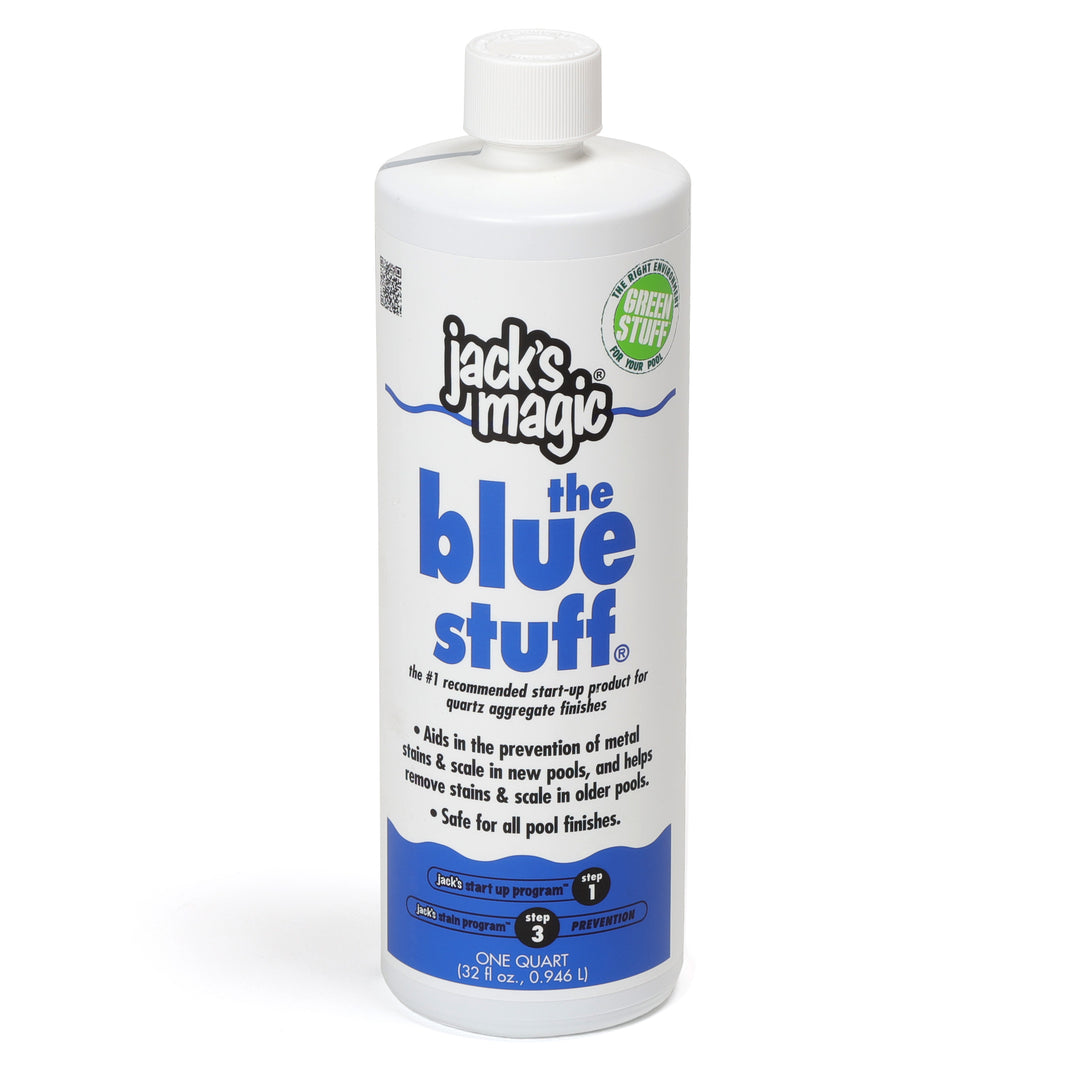
More about Problem Solver Chemicals For Your Pool and Spa
Buyer's Guide: Problem Solver Chemicals For Your Pool and Spa
Tier 1: The Clarity & Surface Kit (Weekly Polish)
- Best For: Pools that look "dull," have oily waterlines, or host frequent swimmers.
- Look For: [Enzyme Treatments] or [Water Clarifiers].
- Expectations: Instant sparkle and reduced scrubbing. These won't fix a green pool, but they keep a clear pool perfect.
Tier 2: The Algae Defense (Prevention & Rescue)
- Best For: Hot summer months, after heavy rain, or when you notice "slippery" walls.
- Look For: [Polymer Algaecides] (Non-foaming) or [Phosphate Removers].
- Expectations: Prevents blooms before they start. Polymer-based algaecides are preferred for DIYers because they won't stain your pool like copper-based versions can.
Tier 3: The Heavy Lifters (Stain & Scale Removal)
- Best For: Pools with brown/metallic stains, white crusty scale on tiles, or salt cells that keep clogging.
- Look For: [Sequestering Agents] or [Stain Removers].
- Expectations: These require patience. Scale removal can take 2–4 weeks of consistent treatment to dissolve the mineral bonds.
Complete Your Pool Care Routine
Essential Pairing
Problem solvers are supplements; you must maintain a consistent chlorine or bromine residual for these products to be effective.
Highly Recommended
Clarifiers and phosphate removers work by clumping waste together, which means your filter will need a thorough cleaning or backwash shortly after treatment.
Pro Tip: Don't Forget
Testing for phosphates and metals allows you to treat the root cause of water issues rather than just "guessing" with expensive chemicals.
Technician's Guide: Problem Solver Chemicals For Your Pool and Spa +
The "Rescue Squad" for Your Pool Water.
Even the best-maintained pools run into trouble. Whether it’s a sudden algae bloom after a heatwave, "dead" water that has lost its sparkle, or stubborn oily residue at the waterline, Water Problem Solvers are the specialized tools designed to fix specific issues that standard chlorine and balancing can't handle alone.
How it Works
This category targets the "non-living" and "biological" contaminants in your pool:
- Algaecides: Act as a backup to your sanitizer to kill or prevent algae spores.
- Clarifiers & Enzymes: Clarifiers clump tiny particles so your filter can catch them, while enzymes "eat" organic waste like sunscreens and body oils.
- Phosphate Removers: Starve algae by removing its primary food source.
- Stain & Scale Removers: Chemically lift metal stains or calcium deposits from your pool's surfaces.
Why a Homeowner Needs It
Standard maintenance keeps water safe, but Problem Solvers keep it pristine. Using these products helps you avoid "The Drain and Refill" cycle. For example, using a phosphate remover can reduce your chlorine consumption by up to 30%, while a weekly enzyme treatment prevents the "scum line" that otherwise requires manual scrubbing. Think of these as the "specialists" you call in to ensure your water isn't just clean, but crystal clear and inviting.
Common Questions +
Q: Can I use an algaecide and shock at the same time?
A: It is generally best to shock the pool first to kill the bulk of the algae, wait for chlorine levels to drop below 5 ppm, and then add algaecide. Adding them simultaneously can sometimes cause the high chlorine to break down the algaecide too quickly, wasting your money.
Q: Why is my pool still cloudy after using a clarifier?
A: Clarifiers require circulation and filtration to work. If you add a clarifier, you must run your pump for 24–48 hours. If it's still cloudy, your filter may need a deep clean, or you may be dealing with a "dead" algae bloom that requires a Flocculant instead.
Q: Do phosphate removers kill algae?
A: No. Phosphate removers starve algae by removing its food, but they do not kill it. If you have active green algae, you must kill it with shock and algaecide before using a phosphate remover.
Q: Will stain removers damage my pool liner?
A: Most modern stain removers are "citric" or "ascorbic" acid-based and are safe for vinyl and fiberglass when used as directed. However, always avoid letting granular products sit directly on a liner for extended periods; brush them around to dissolve them.
Q: How often should I use enzymes?
A: For pools with high bather loads (lots of kids or parties) or heavy vegetation nearby, a weekly dose is recommended. This keeps the water "feeling" softer and prevents oily buildup on the tile line.