Don’t Replace the Whole Pump—Just the Engine.
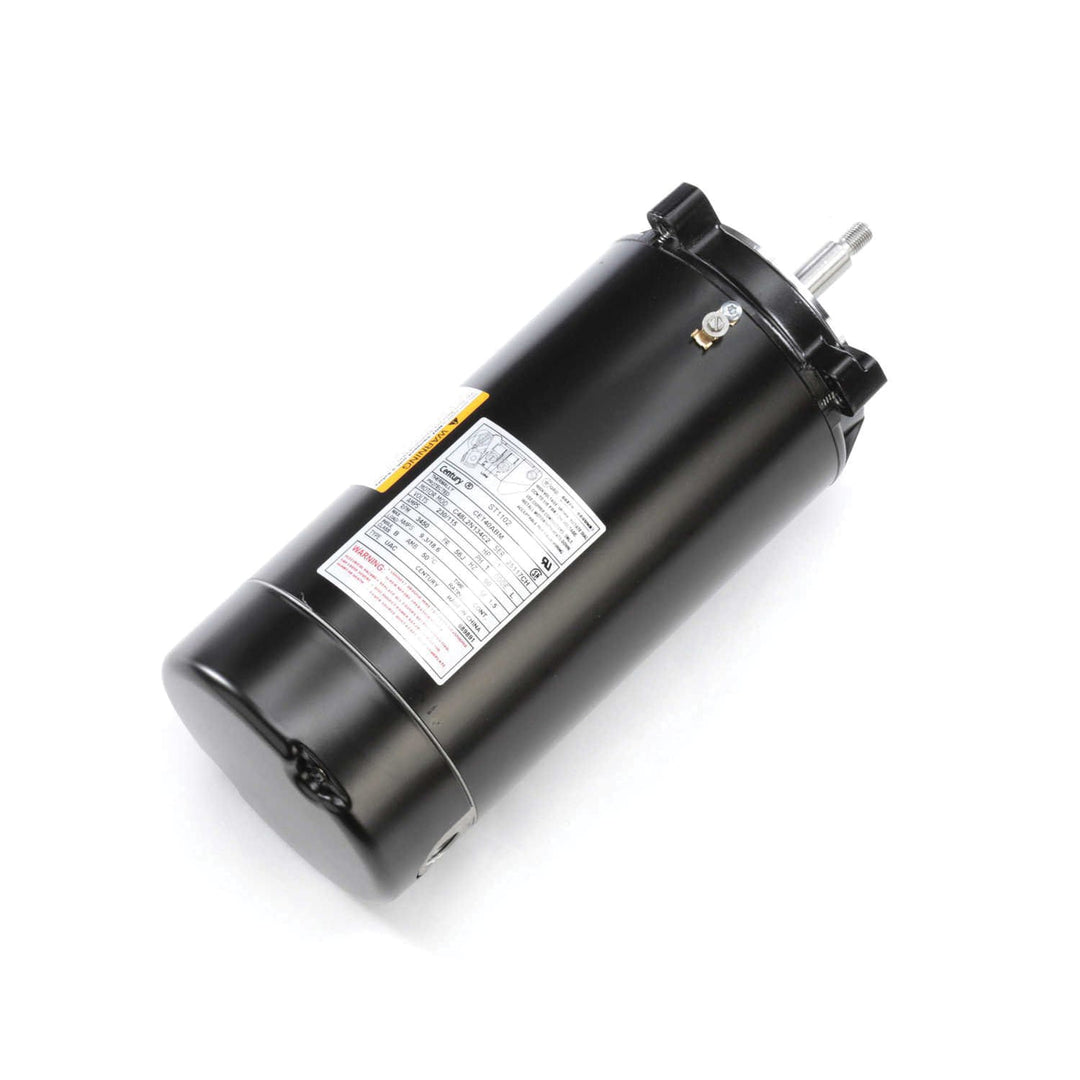
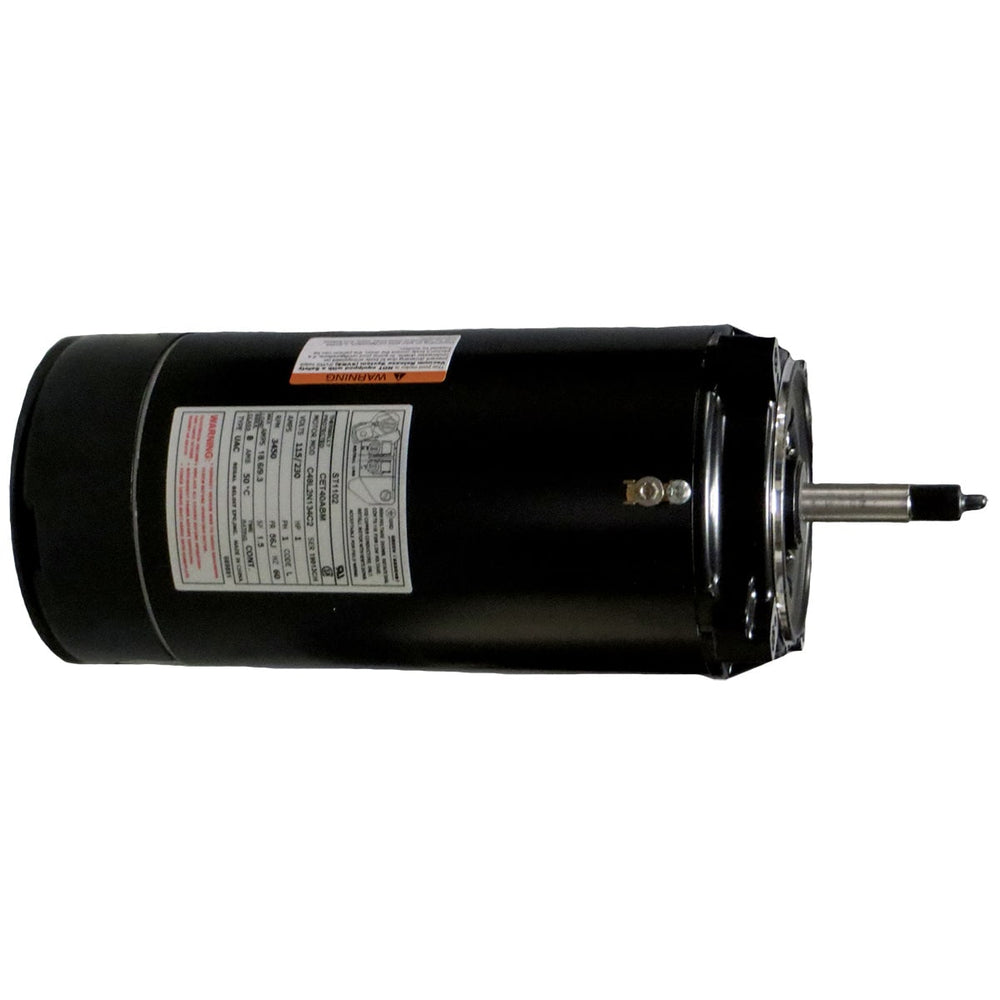
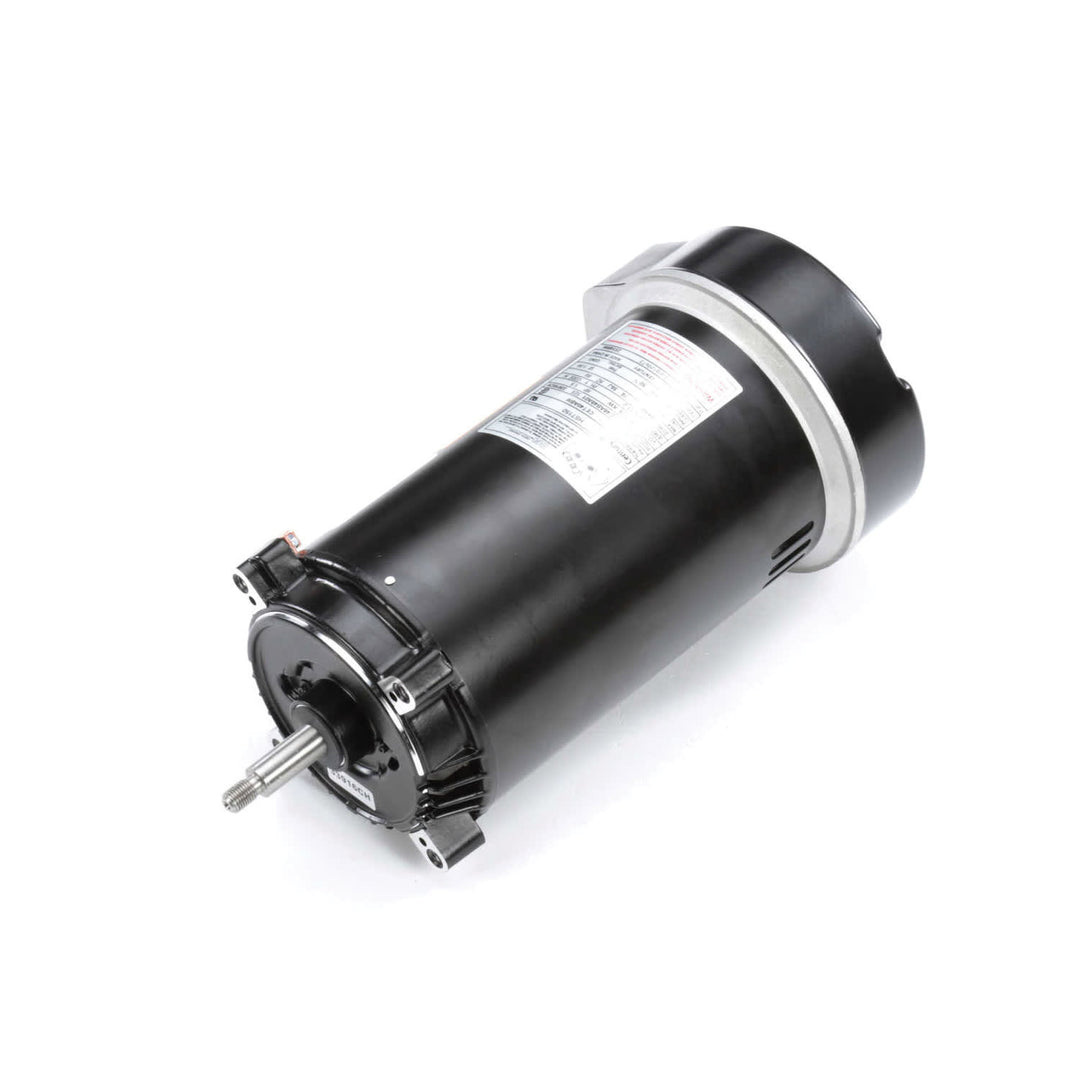
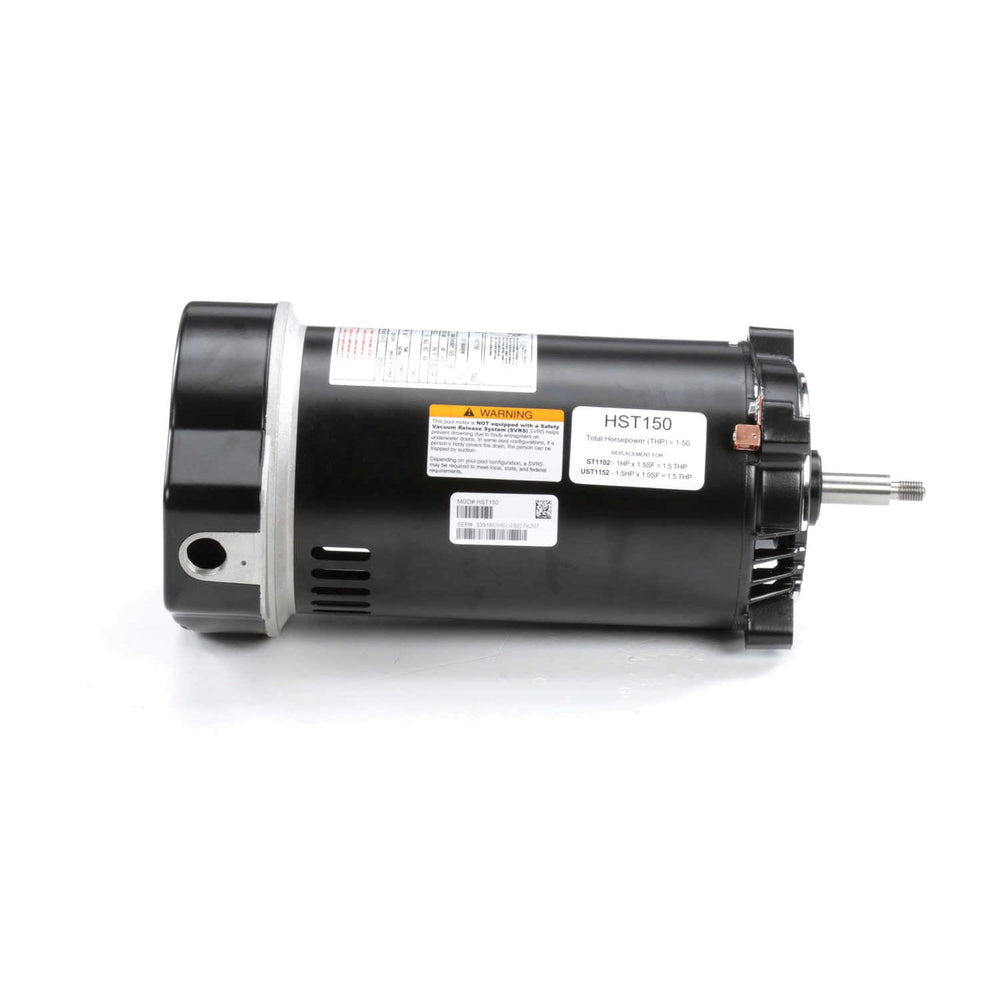
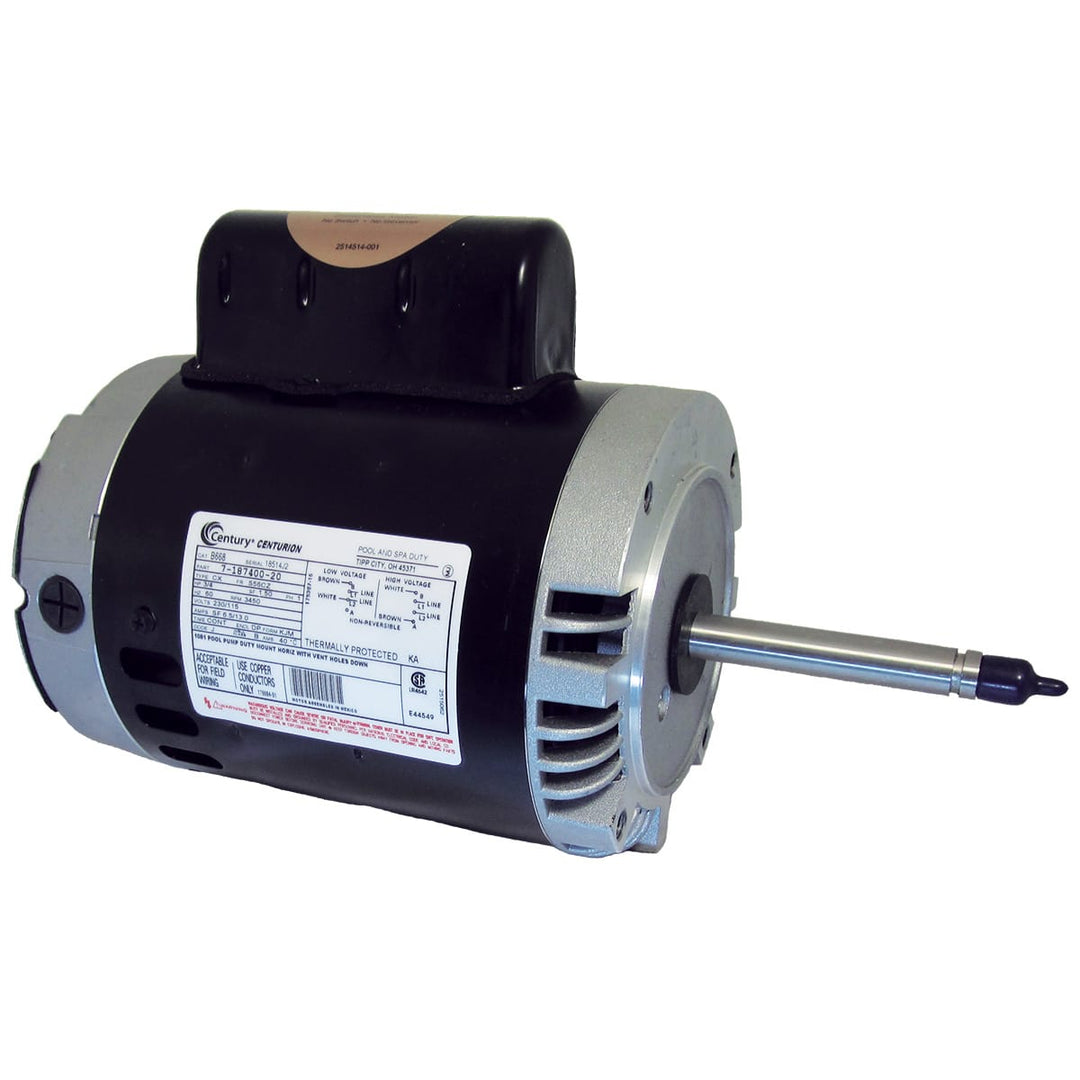
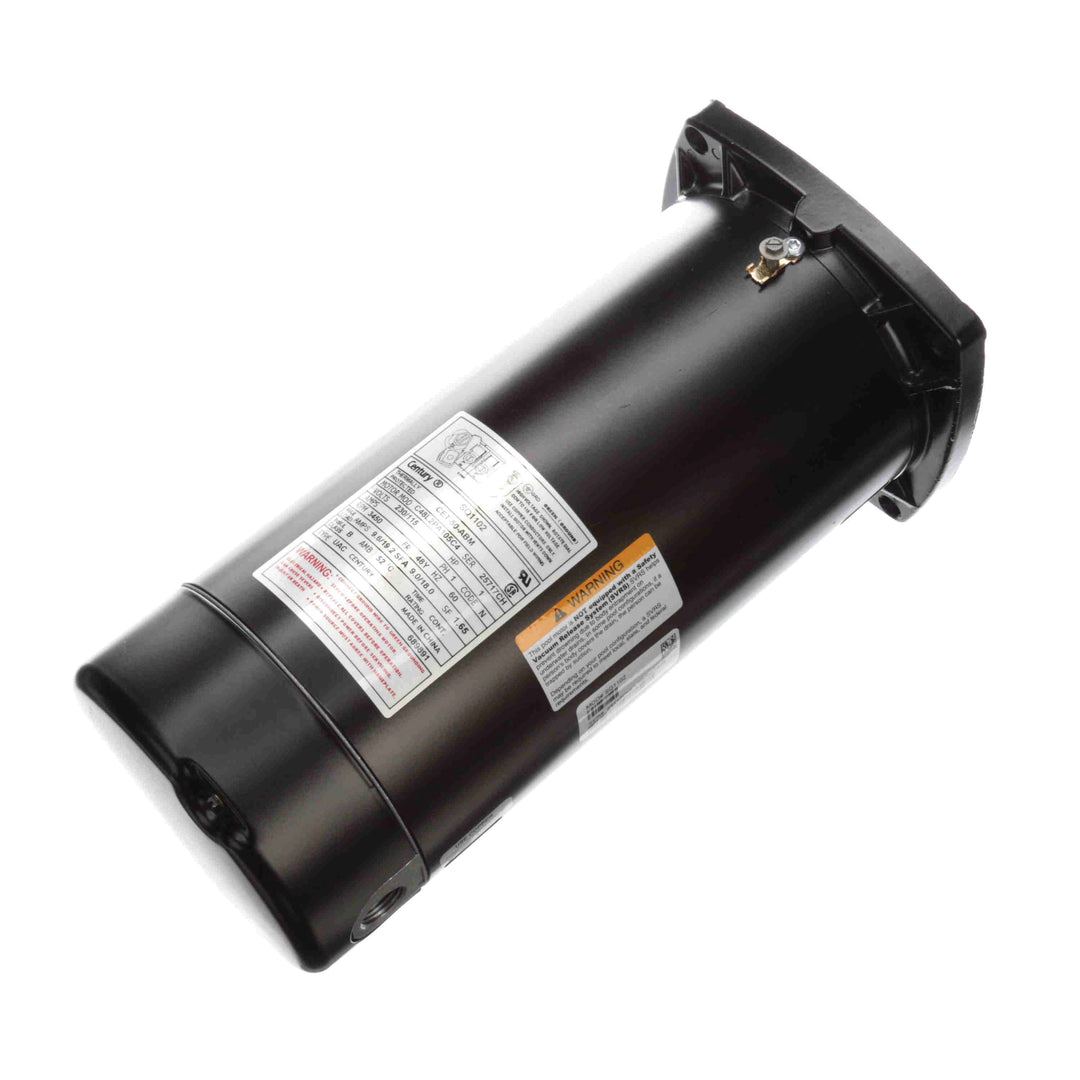
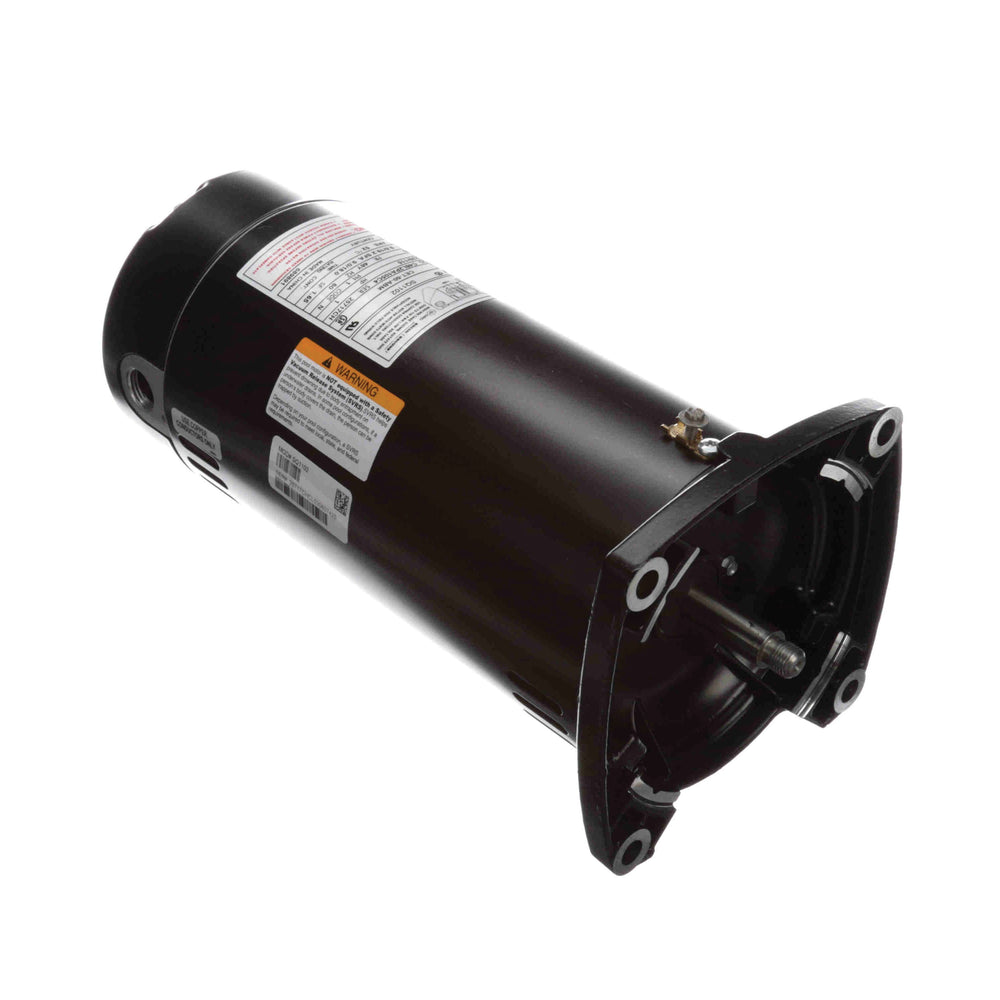
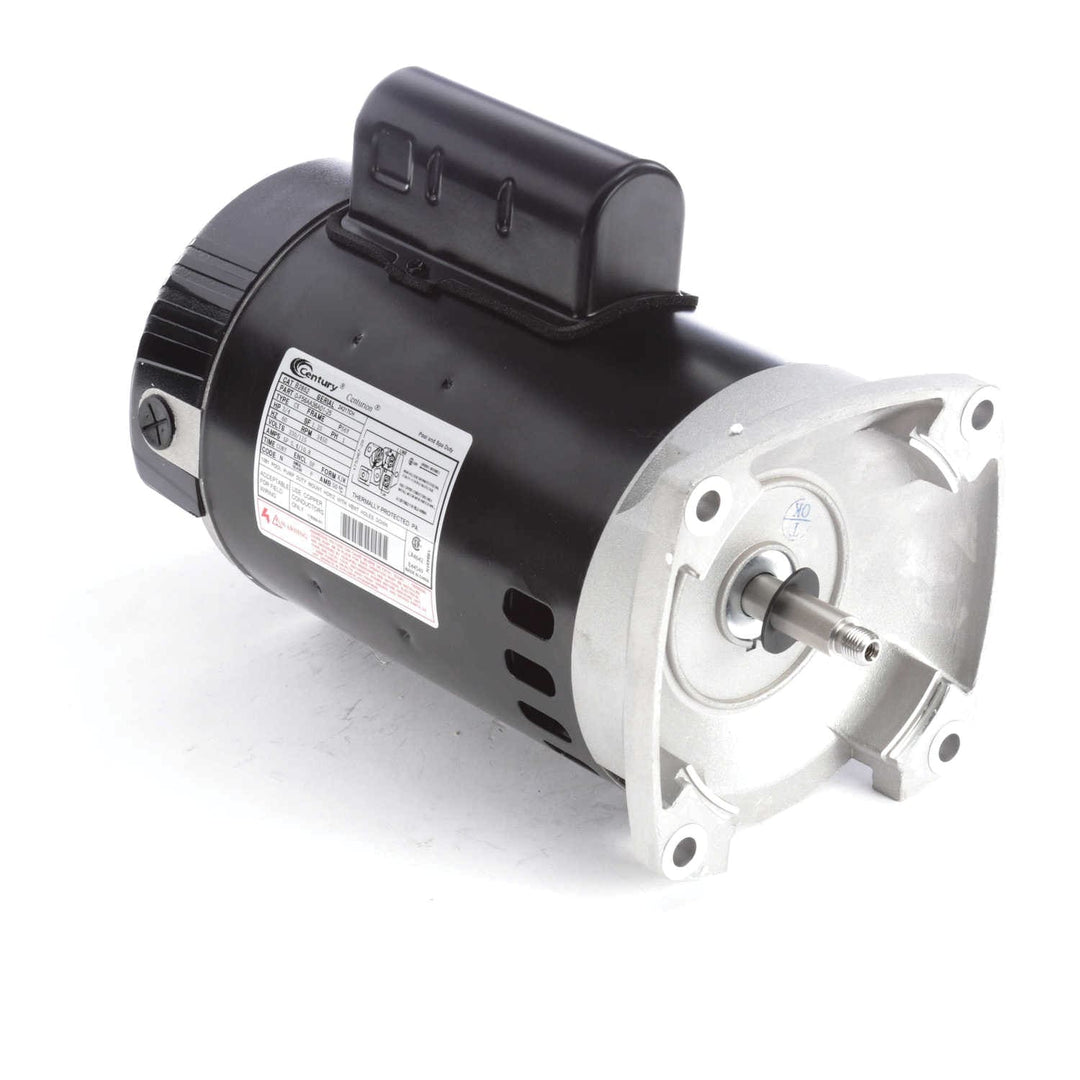
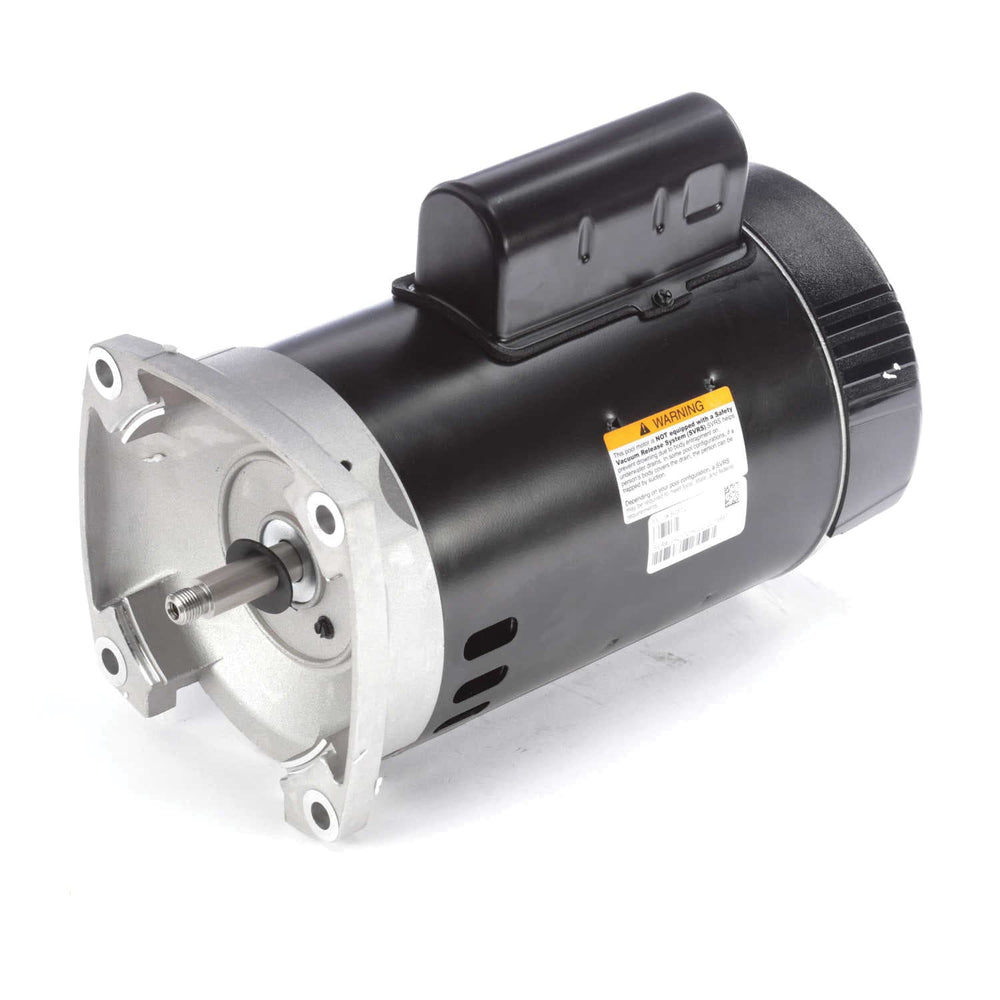
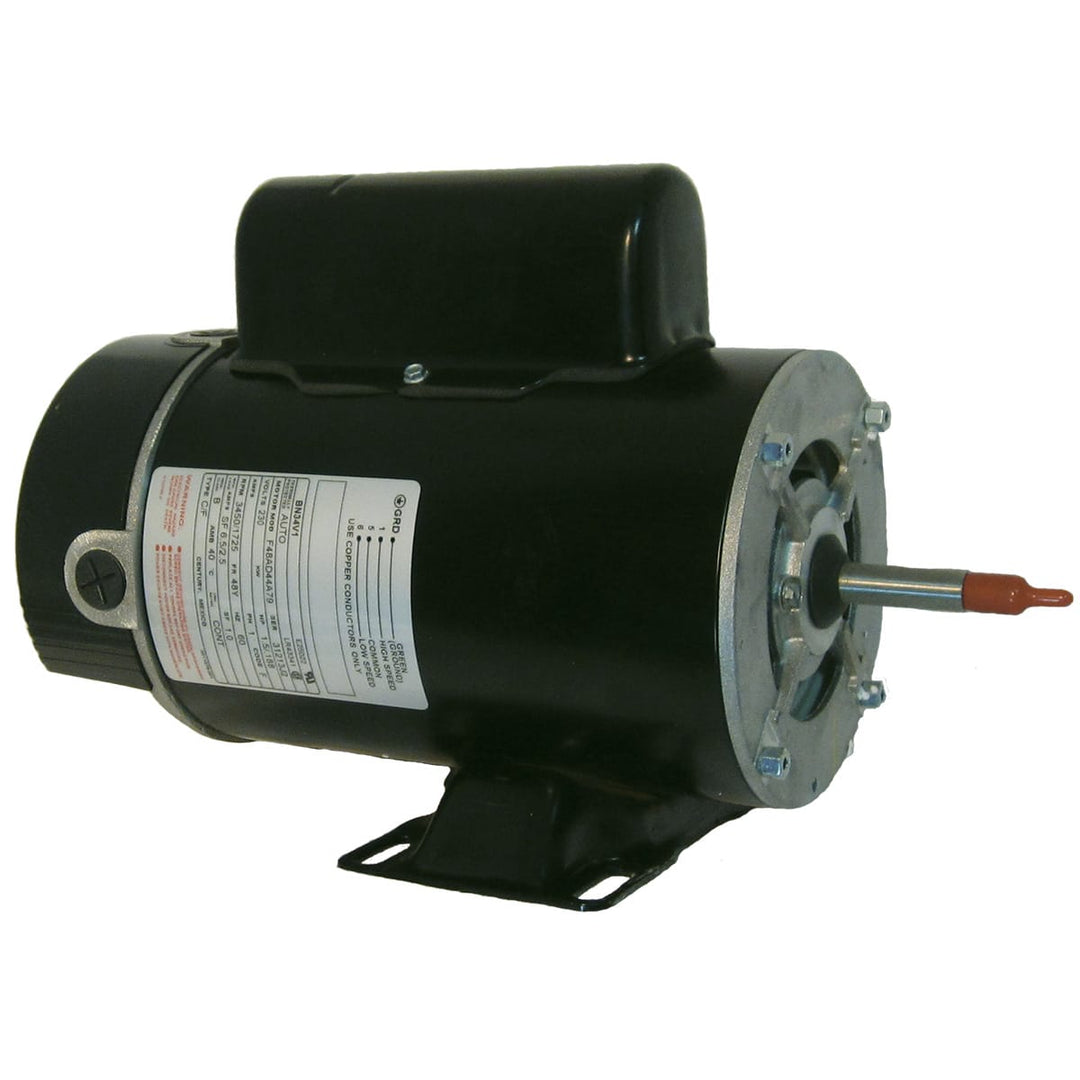
If your pool pump is humming, screeching, or simply refuses to start, but the plastic housing (the "wet end") is not cracked or leaking, you likely only need a Replacement Motor. This is the heavy metal cylinder bolted to the back of your pump. Replacing just the motor can save you hundreds of dollars compared to buying an entirely new pump system. However, getting the right fit requires checking three specific data points on your old motor’s label: Frame Type (the bolt pattern), Voltage, and Total Horsepower.
Q: How do I ensure the new motor fits my pump?
A: You must match the Frame Type (usually "48Y", "56Y", or "56J") and the Flange Type (Square Flange vs. Round/C-Face). Check your old label.
Q: Can I just buy a higher Horsepower motor for more power?
A: No. The motor must match the "Impeller" inside your pump. Putting a stronger motor on a smaller impeller damages the motor; putting a smaller motor on a larger impeller will burn it out immediately.
Q: What is "Service Factor" (SF) and why does it matter?
A: This is the most common mistake DIYers make. True HP = Rated HP x Service Factor. A "1 HP" motor with a 1.65 SF is actually a 1.65 HP motor. Your replacement must have a Total HP equal to or greater than your old one.
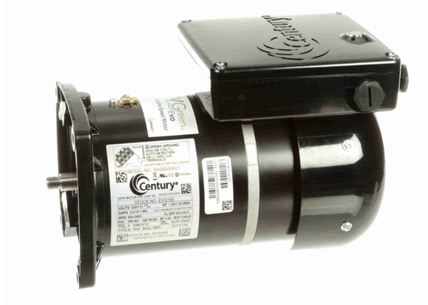
Q: My old motor was connected to a timer box. Will a new Variable Speed (VSP) motor work?
A: Yes, but VSP motors have their own built-in timers. You will likely wire the new motor to receive constant power and bypass your old external wall timer.
Q: Do I really need to replace the Shaft Seal?
A: Absolutely. The Shaft Seal prevents water from entering the motor. Re-using an old seal is the #1 cause of new motor failure (and voids the warranty).