
Filter
Bring chlorine or bromine levels back into balance with fast-acting chlorine neutralizers for pools and spas. These formulas are ideal when sanitizer levels are too high after shocking, over-treatment, or before draining or refilling your water.
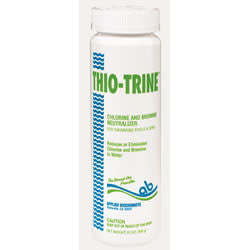
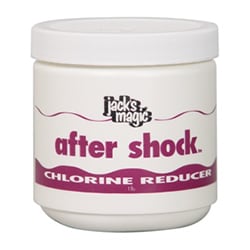
More about Water Chlorine Neutralizers for Pool & Spa
Buyer's Guide: Water Chlorine Neutralizers for Pool & Spa
Tier 1: The "Emergency Fix" (General Purpose)
- Best For: Most backyard pools where you’ve over-shocked and need to swim within the hour.
- Look For: [Sodium Thiosulfate] (Granular).
- Expectations: This is the industry standard. It’s powerful, shelf-stable, and relatively inexpensive.
Tier 2: The "Liner Protector" (Vinyl & Sensitive Surfaces)
- Best For: Vinyl liner pools or those with dark plaster where high chlorine poses an immediate bleaching risk.
- Look For: [Sodium Sulfite].
- Expectations: Often marketed under "Chlor-Out" or similar names, this is a fast-acting alternative that is very effective at preventing surface damage.
Tier 3: The "Drain & Discharge" (Environmental Compliance)
- Best For: Homeowners who need to empty their pool for repairs or winterization and want to protect their grass and local waterways.
- Look For: [Dechlorination Tablets].
- Expectations: Slow-dissolving forms or high-volume crystals designed to neutralize 100% of the chlorine before the water leaves the property.
Complete Your Pool Care Routine
Essential Pairing
Pool Test Kits and Water Analysis Tools
Shop Pool Test Kits and Water Analysis Tools
Precise testing is mandatory when using neutralizers to ensure you don't "bottom out" your chlorine and leave the pool vulnerable to algae.
Highly Recommended
pH Adjusters For A Balanced Pool & Spa
Shop pH Adjusters For A Balanced Pool & Spa
Since neutralizers can slightly pull down your pH, having a pH increaser on hand helps you restore the "sweet spot" for swimmer comfort.
Pro Tip: Don't Forget
Sanitizers for Pool and Spa Water Care
Shop Sanitizers for Pool and Spa Water Care
If you accidentally over-neutralize, you'll need a fresh supply of liquid chlorine or shock to bring the pool back up to safe sanitizing levels.
Technician's Guide: Water Chlorine Neutralizers for Pool & Spa +
The "Undo" Button for Your Pool Chemistry.
Every pool owner has been there: you accidentally added too much shock, or you need to get the kids in the pool for a party but the chlorine levels are sky-high. Chlorine Neutralizers are your chemical safety net. They provide a rapid way to lower chlorine or bromine levels without having to wait days for the sun to burn it off or wasting hundreds of gallons of water by draining and refilling.
How it Works
Neutralizers are "reducing agents" (typically Sodium Thiosulfate or Sodium Sulfite). When added to the water, they trigger an immediate chemical reaction that converts active chlorine into harmless chlorides (basically salt).
- Granular Neutralizers: These are the most common and cost-effective. They dissolve quickly and start working the moment they hit the water.
- Liquid Neutralizers: Often used in spas, these are pre-dissolved for even faster distribution in smaller volumes of water.
Why a Homeowner Needs It
High chlorine isn't just a nuisance; it's aggressive. It can bleach your vinyl liner, destroy expensive swimsuits, and cause severe skin and eye irritation. Having a bottle of neutralizer on your shelf allows you to fix a "shock overdose" in 30 minutes rather than 3 days. It is also an essential tool for homeowners who need to drain their pool, as most local regulations require you to neutralize the chlorine before the water hits the storm drain or your lawn.
Common Questions +
Q: How fast does it work?
A: In most cases, you will see a significant drop in chlorine levels within 30 minutes of adding the product, provided your pump is running to circulate the water.
Q: Can I add too much?
A: Yes. This is the most common mistake. If you overdose the neutralizer, it will stay in the water and "eat" any new chlorine you try to add for the next few days. Always start with half the recommended dose, wait 30 minutes, and re-test.
Q: Does it affect other chemical levels?
A: High doses of chlorine neutralizer can slightly lower your pH and Alkalinity. It’s always a good idea to re-test your full balance after the chlorine has stabilized.
Q: Can I use this in my hot tub?
A: Absolutely. It works equally well on Bromine. Because hot tubs have a small volume of water, it is very easy to over-sanitize them, making neutralizers a must-have for spa owners.
Q: Is it safe to swim immediately after adding?
A: You should wait at least 30 minutes for the chemical to circulate and then test the water. Once your test kit shows a safe range (1–4 ppm), it is perfectly safe to jump in.